
Featured Smart Automation & Breaker Infrastructure
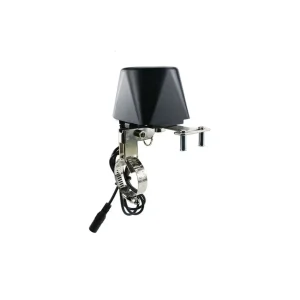
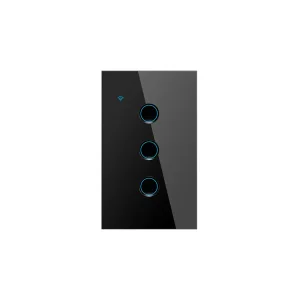
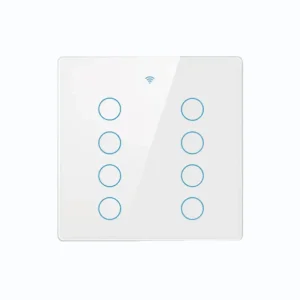
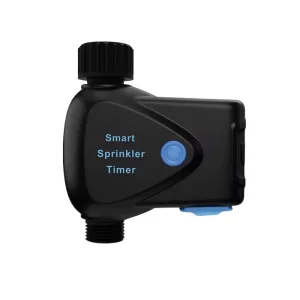
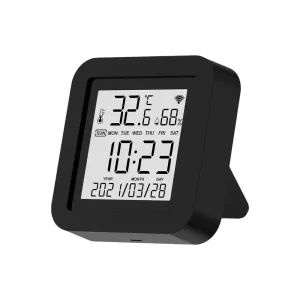
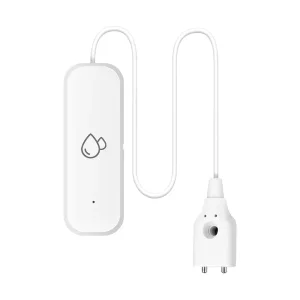
Precision-engineered DIN rail smart breakers, intelligent sensor telemetry nodes, and valve protection systems configured for OEM and ODM distribution networks.
Global Transformation toward DC Distribution & Smart Microgrids
As power electronics replace mechanical contactors across global industries, the direct-current (DC) power paradigm requires unprecedented breaker intelligence.
The DC Paradigm Shift
The acceleration of PV solar arrays, localized battery energy storage systems (BESS), and electric vehicle (EV) charging infrastructures has rendered conventional AC breakers inadequate. Direct current systems lack a natural zero-crossing point, making continuous high-energy electric arcs difficult to extinguish. Smart DC circuit breakers overcome this limitation by deploying algorithmic sensing and rapid solid-state commutation.
Data Center Efficiency
Modern hyperscale and colocation facilities are transitioning toward 380V DC bus architectures to eliminate multiple AC-DC power conversion stages, lowering heat output and achieving up to 10% overall efficiency gains. Smart DC circuit breakers provide the microsecond-level fault isolation and continuous power metering essential to keep mission-critical compute clusters operational.
Predictive Maintenance
Static thermo-magnetic trip curves are being replaced by dynamic telemetry. Modern smart breakers continuously report voltage, leakage current, internal MOSFET junction temperatures, and contact degradation. Facilities leverage this edge data to resolve high-impedance faults before thermal runaway incidents happen.
Localized Industrial & Residential Deployment Architectures
Engineered to integrate seamlessly with regional electrical codes, custom back-boxes, and varied grounding topographies across international markets.
Solar PV & BESS Integration
In residential and commercial microgrids, our DC breakers function as active protection barriers between MPPT charge controllers, lithium iron phosphate (LiFePO4) storage banks, and hybrid inverters. They provide programmable overcurrent protection, reverse-polarity defense, and autonomous load shedding over Wi-Fi, Zigbee, or RS485 Modbus backbones.
EV Fleet & Fast-Charging Hubs
High-voltage DC fast chargers demand reliable sub-cycle isolation. Our smart DC units handle rapid in-rush spikes during high-rate charging while transmitting billing-grade metering metrics to central management systems via Matter, Tasmota, or custom ESP32 firmware endpoints.
Telecom Infrastructure & 5G Towers
Remote telecommunication base stations running on -48V DC power require zero-downtime, unstaffed operation. Our smart breakers enable network operators to remotely cycle tripped branch circuits, evaluate battery health, and automate standby diesel-generator routines without dispatching field crews.
Technology Roadmap & Solid-State Protection Horizons
Tracing the evolution from traditional mechanical contactors to microsecond wide-bandgap semiconductors and localized edge intelligence.
Phase 1: Hybrid Mechanical Relays
The standard architecture pairs high-durability mechanical contacts with an auxiliary electronic snubber circuit. It features full galvanic isolation in the open state, high transient current handling, and low forward conduction losses, controlled through Tuya, MQTT, or Zigbee microcontrollers.
Phase 2: Solid-State Circuit Breakers (SSCB)
Utilizing Silicon Carbide (SiC) and Gallium Nitride (GaN) power switches, SSCB designs achieve complete fault clearance in under 5 microseconds. This eliminates mechanical contact erosion, delivers zero electrical arcing, and allows hundreds of thousands of switching cycles under full load.
Phase 3: Edge AI Arc Fault Detection
By integrating micro-DSP and neural network modules directly on the breaker PCB, next-gen devices sample line current at gigahertz frequencies. Embedded machine-learning models can distinguish between normal DC motor in-rushes and dangerous series or parallel micro-arcs in real time.
China Supply Chain Resilience, Vertical Integration & Efficiency
Shenzhen Corunsmart Co., Ltd. combines advanced manufacturing facilities with rapid local component sourcing across the Greater Bay Area.
Class 100 Cleanroom Production
Our 1,400 m² cleanroom environment protects sensitive surface-mount technology (SMT) and semiconductor assemblies from airborne contaminants. Controlled humidity and static prevention ensure clean soldering and long-term operating reliability for critical power hardware.
Full Firmware & MCU Adaptability
We work directly with leading microcontroller suppliers, offering broad support across ESP32, ESP32-C2, ESP32-C3, and Tuya SOC platforms. Our internal software team helps brands flash custom Tasmota configurations, native MQTT topologies, and localized cloud profiles during automated assembly.
Rigorous QA & High-Capacity Output
Operating under ISO 9001:2015 and BSCI standards, our 160 factory specialists output approximately 400,000 units every month. Every breaker passes high-voltage dielectric tests, temperature-rise evaluations, and continuous calibration runs before final export packaging.
Global Compliance, Certification & Tailored Support
We support commercial brands, system integrators, and distributors through every step of local testing and certification.
Pre-Certified Base Models
Our baseline platforms are designed around recognized standards including UL 489, UL 489I, IEC 60947-2, CE, RoHS, FCC, and UKCA. This pre-tested foundation reduces certification timelines, lowering overall compliance risk and speed-to-market costs for OEM partners.
Regional Mechanical Options
Different markets rely on distinct distribution board styles. We supply standard European 35mm DIN-rail footprints alongside American panel-mount variants, Brazilian back-boxes, and tailored plug-on neutral assemblies to ensure drop-in compatibility for local electricians.
Private Labeling & Tier-2 Support
From pad-printed corporate logos and customized flame-retardant enclosures to bespoke retail packaging, bilingual install guides, and dedicated engineering documentation, we deliver turn-key private-label solutions ready for shelf display and installation.
Connected Energy Protection & Ecosystem Controls
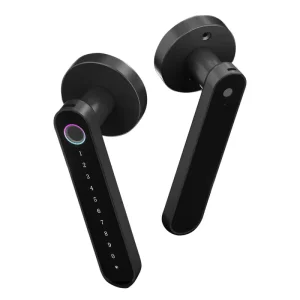
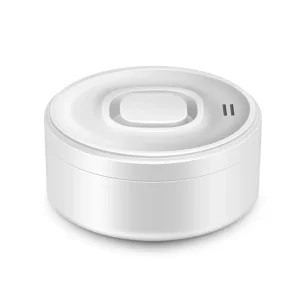
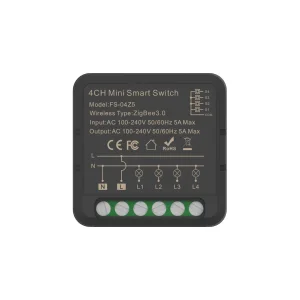
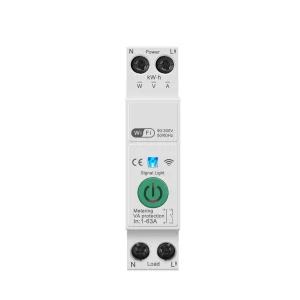
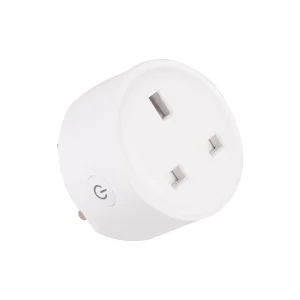
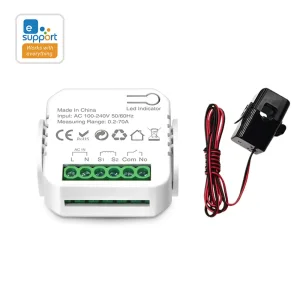
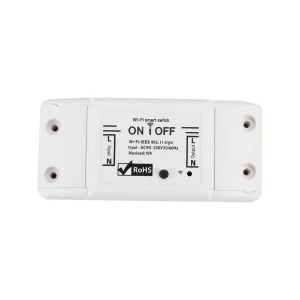
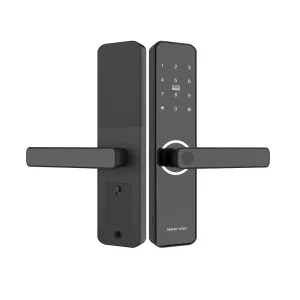
Explore additional smart components from our factory, spanning power-metered breakers, smart plugs, current sensors, and door access locks.

Frequently Asked Questions for Sourcing & Engineering Leads
Get answers regarding customization, firmware protocols, physical arc mitigation, and international certification compliance.