OEM WiFi Gas Leakage Carbon Monoxide Composite Alarm Supplier, Factory

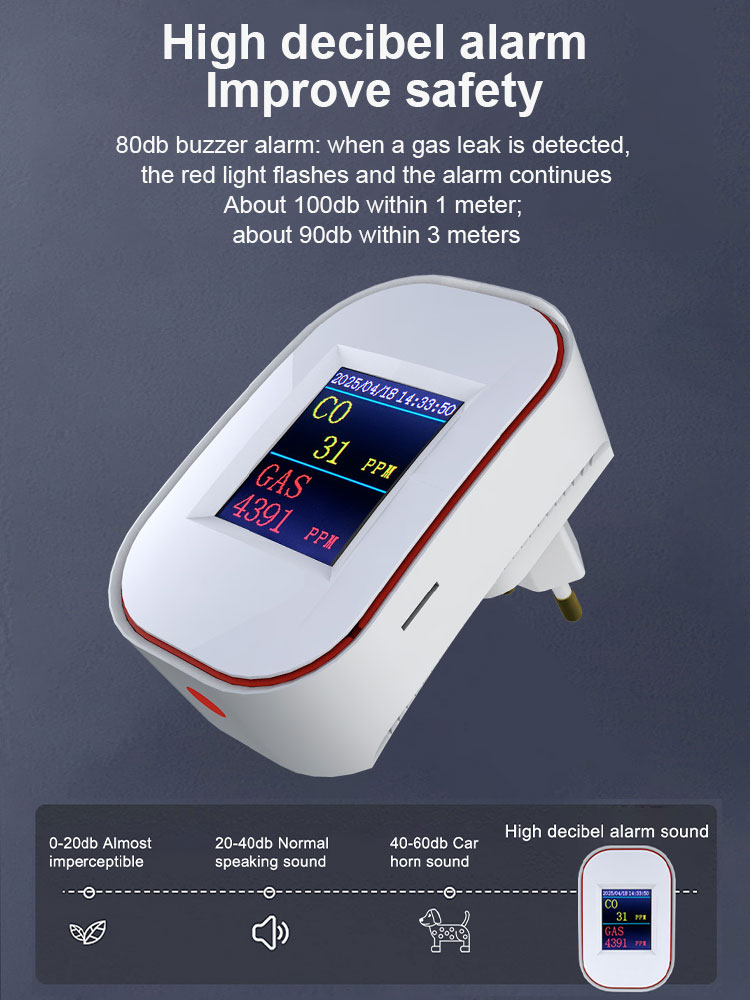
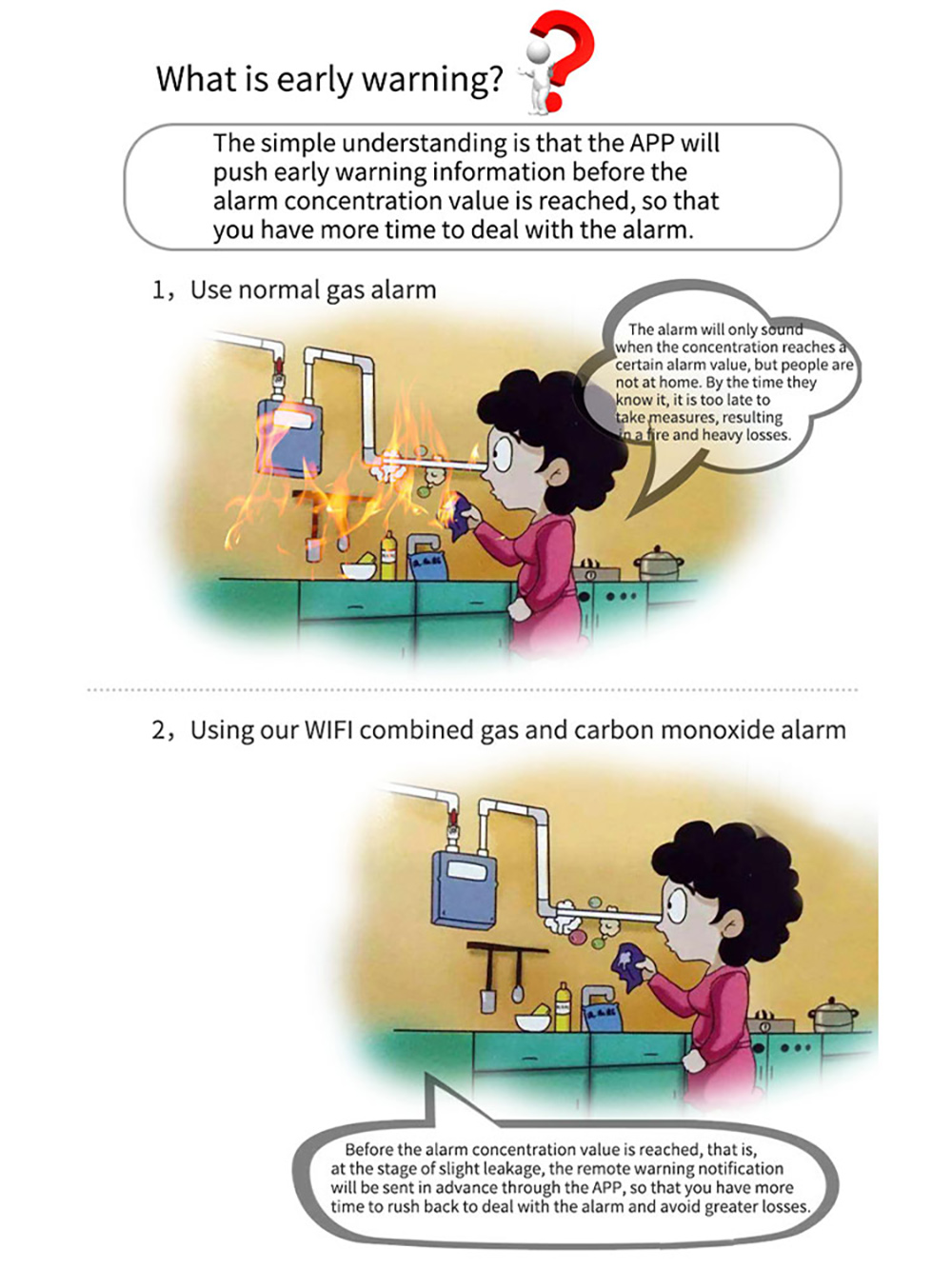
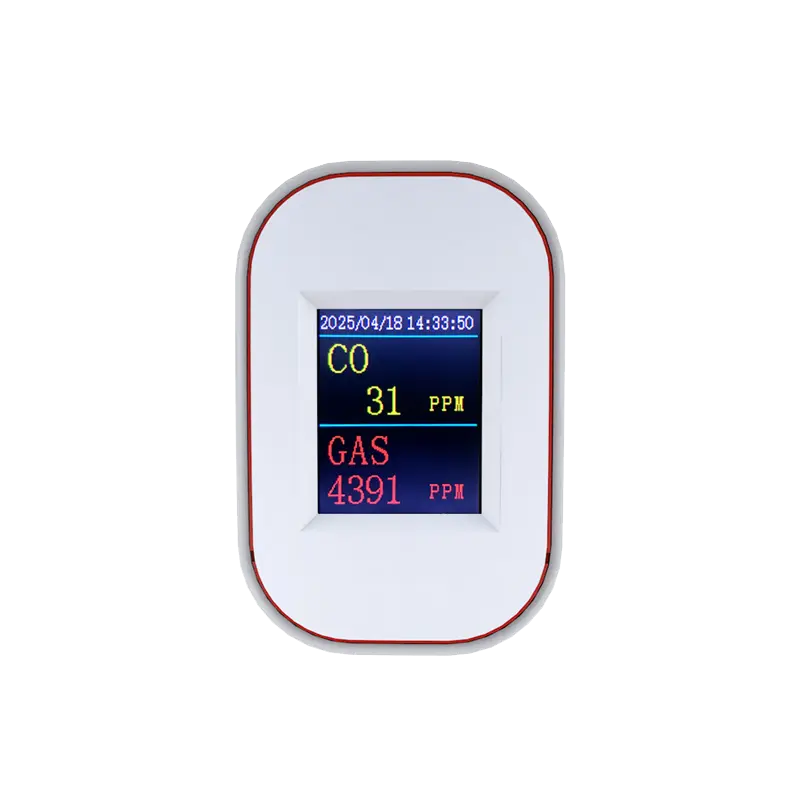
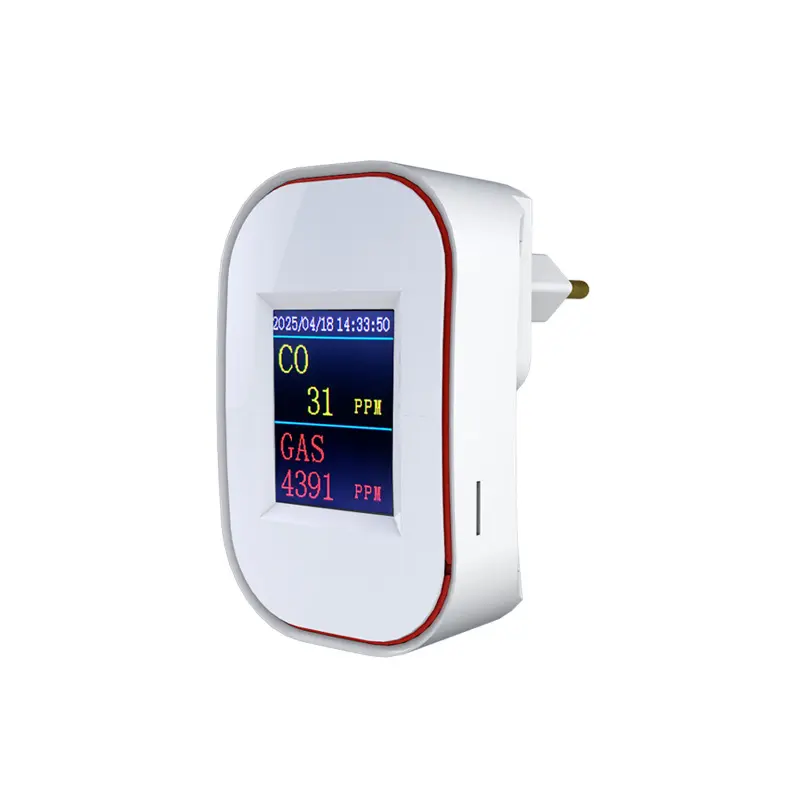
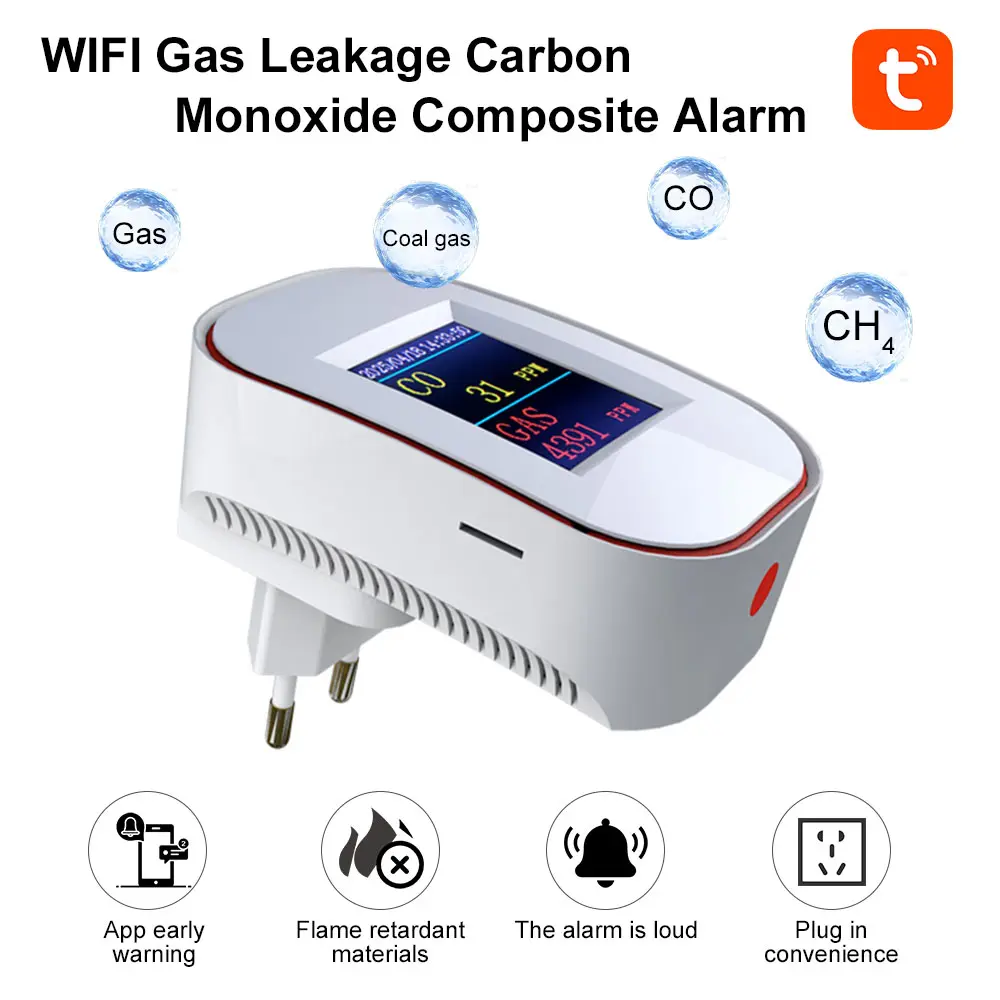
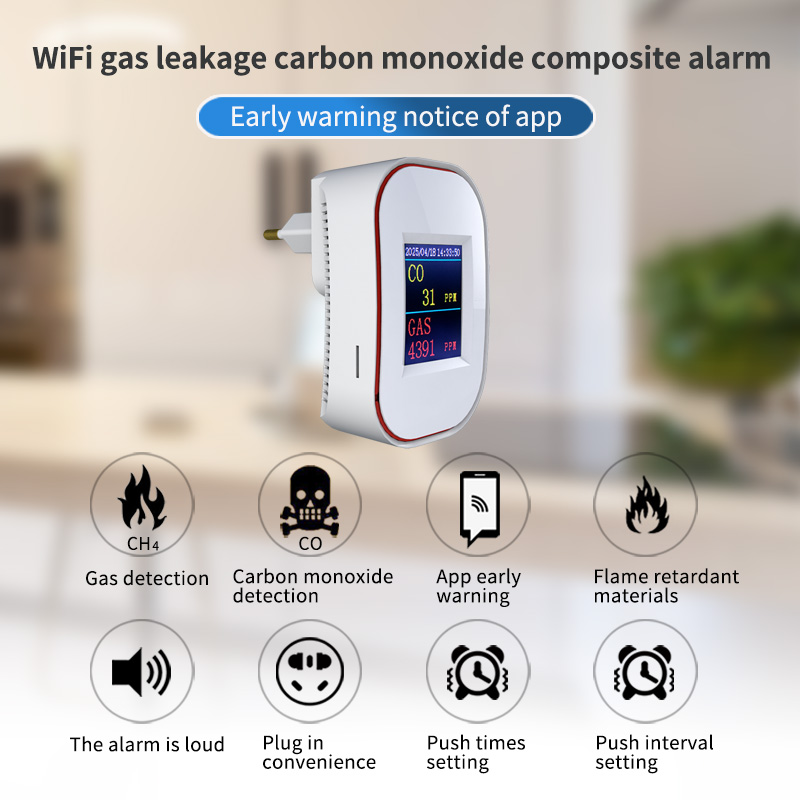
This WiFi-enabled alarm detects both combustible gas and carbon monoxide in real time. It sends instant alerts to your phone and triggers a loud audible alarm for enhanced home safety and peace of mind.

Product Description

Smart door and window sensor Products Description

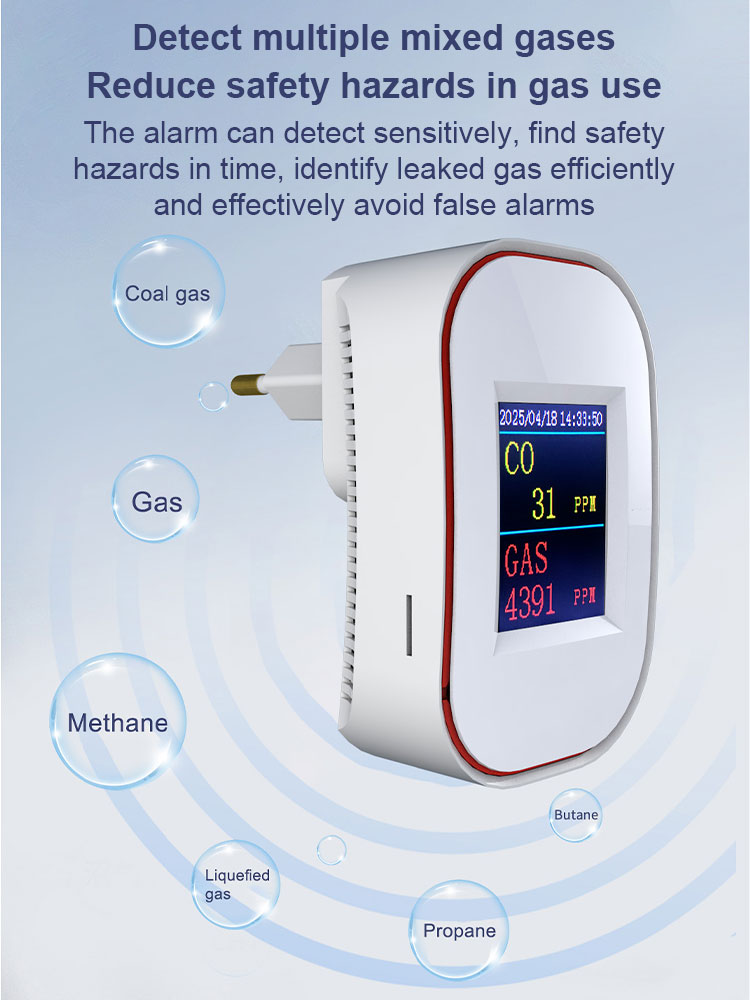
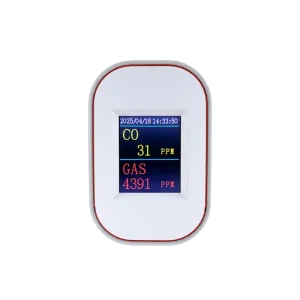
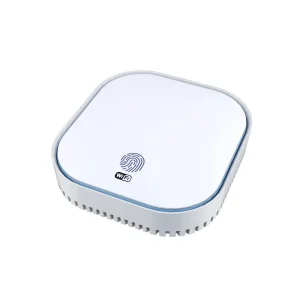
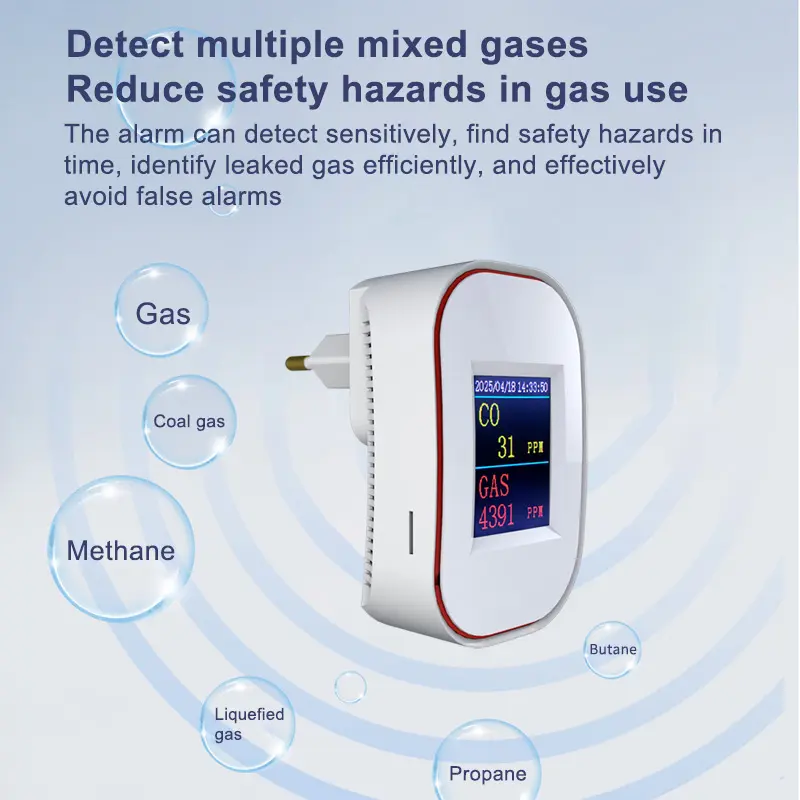
This product is a WIFI smart alarm, which is a compound alarm composed of a catalytic combustion type gas sensor(C3H8, CH4, LPG) and an electro chemical carbon monoxide sensor (CO). It can be used to detect the concentration and leakage of various combustible gases like, natural gas, LPG gas, coal gas, methane, propane as well as carbon monoxide.

The alarm adopts advanced design process. With its stability,reliability, quick response, beautiful appearance, and smart APP, it is suitable for a variety of applications such as homes,warehouses, hotels, companies, schools, hospitals, restaurants, etc. It could monitor the gas and carbon monoxide level in these places, when the gas leak is detected,it would flash sound locally and send alarm notification to your app immediately.

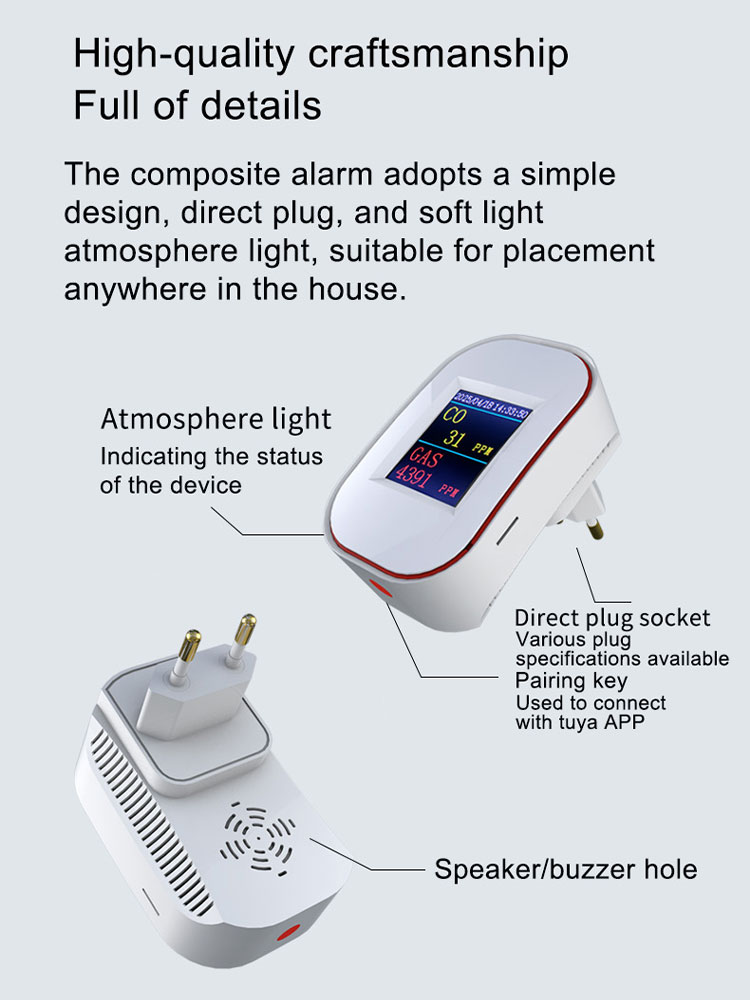
High-quality craftsmanship Full of details

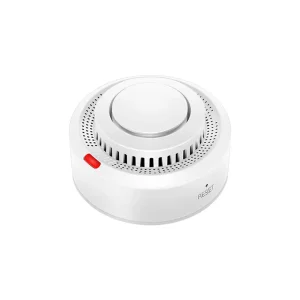
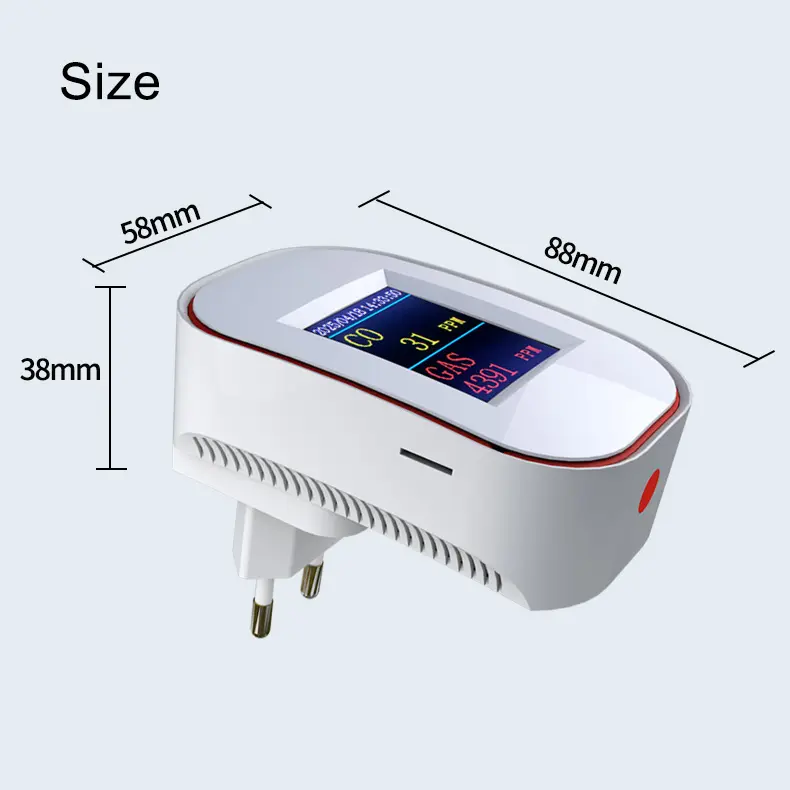
The composite alarm adopts a simple design, direct plug, and soft light atmosphere light, suitable for placement anywhere in the house.

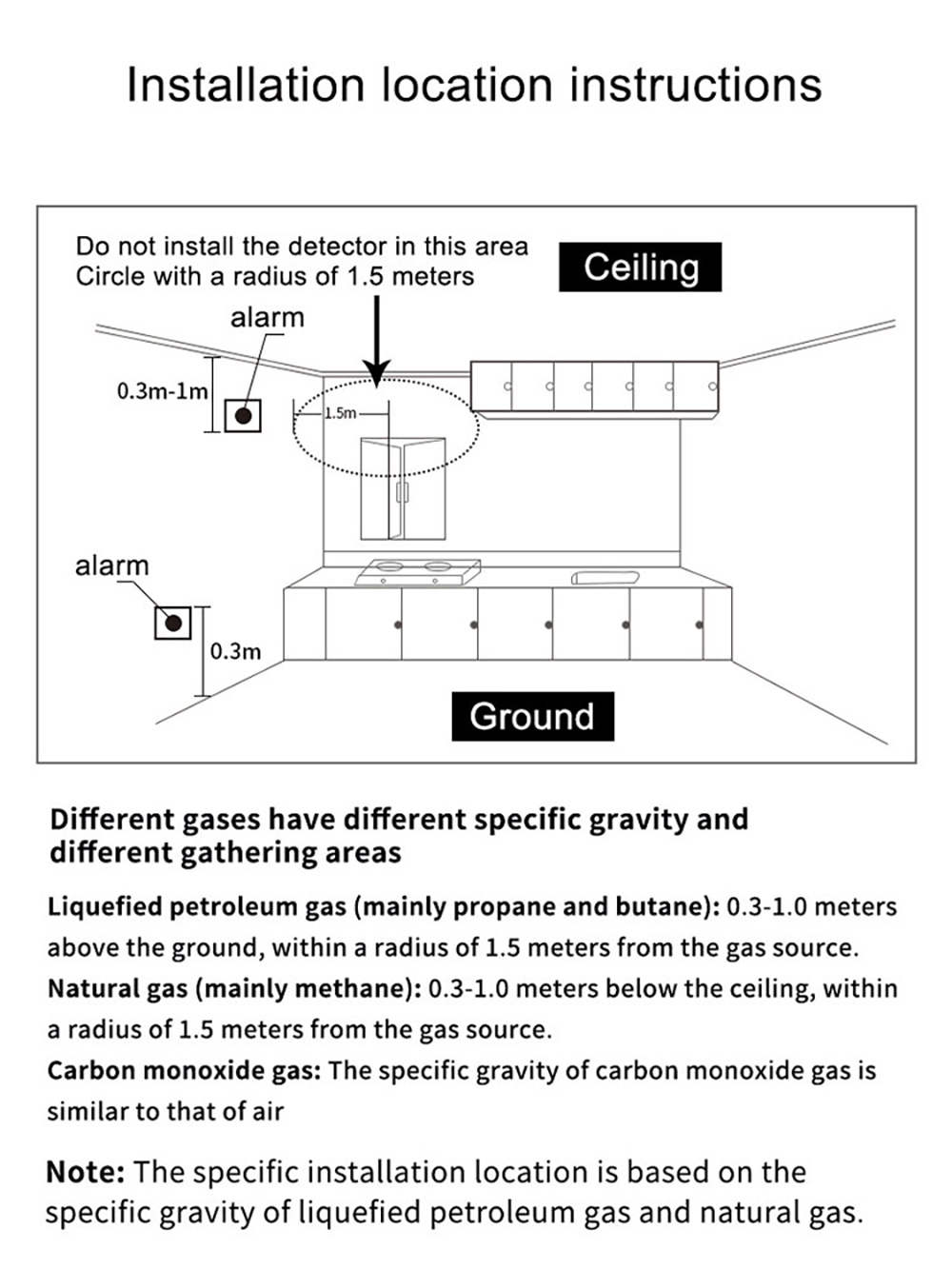
Installation location instructions

Different gases have different specific gravity and different gathering areas.

Liquefied petroleum gas (mainly propane and butane)

0.3-1.0 meters above the ground, within a radius of 1.5 meters from the gas source.

Natural gas (mainly methane)

0.3-1.0 meters below the ceiling, within a radius of 1.5 meters from the gas source.

Carbon monoxide gas

The specific gravity of carbon monoxide gas is similar to that of air
Note: The specific installation location is based on the specific gravity of liquefied petroleum gas and natural gas.

Avoid installing it in these places

  • Do not install near vents, flues, chimneys, or any forced/unforced vents.
  • Do not install near ceiling fans, doors, windows, or directly exposed to the outdoors.
  • Do not install in spaces where air does not circulate, such as the top of a vaulted ceiling or gable roof, because carbon monoxide or gas in these places may not reach the sensor in time to provide an early warning.
  • Do not block the vents on the alarm, and do not place curtains, furniture, or other objects that block air flow to the vents.
  • Do not install it on a socket with a switch or dimming control to avoid accidentally turning off the alarm.

Detail images
gas sensor smart home
smart sensor carbon monoxide detector (2)
smart sensor carbon monoxide
smart gas and carbon monoxide detector (2)
smart gas sensor (2)
smart gas carbon sensor
products-img2
products-img3
smart sensor carbon monoxide detector

Send a message

Frequently Asked Questions

What hazardous gases can this smart alarm detect? +
This dual-purpose alarm integrates a catalytic combustion gas sensor and an electrochemical carbon monoxide (CO) sensor to detect combustible gases including liquefied petroleum gas (LPG, propane, butane), natural gas (methane), and coal gas, alongside toxic carbon monoxide.
How does the alarm notify me during a gas leak? +
When gas concentration reaches danger thresholds, the device initiates an immediate on-site audible siren accompanied by visual LED light flashes. Concurrently, it sends instant push notifications directly to your smartphone through the connected mobile app.
Why are the installation heights different for LPG and natural gas? +
Different gases possess different densities relative to air. Natural gas (methane) is lighter than air and rises toward the ceiling (requiring mounting 0.3-1.0m below the ceiling), whereas LPG is heavier than air and sinks toward the floor (requiring mounting 0.3-1.0m above the floor).
Can this device be plugged into any standard outlet? +
Yes, the device features a convenient direct-plug structure. However, ensure it is plugged into a constantly powered socket and never into an outlet controlled by a wall switch, dimmer, or timer that could inadvertently cut off power to the alarm.
Where should I strictly avoid placing this alarm? +
Avoid locations next to air vents, windows, doors, direct airflow paths, chimneys, or dead-air zones such as vaulted ceiling peaks. Also, keep the sensor vents unobstructed by furniture, curtains, or decorations to maintain continuous air contact.

Related Products