High-Reliability Smart Safety & Automation Ecosystem
Enterprise IoT modules and industrial components designed for round-the-clock emergency monitoring and ambient smart controls.
-
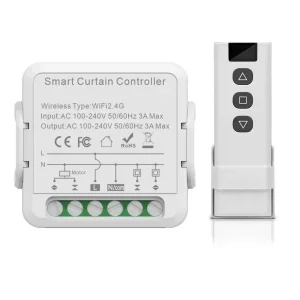
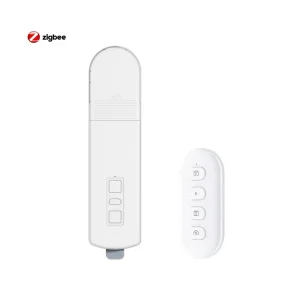
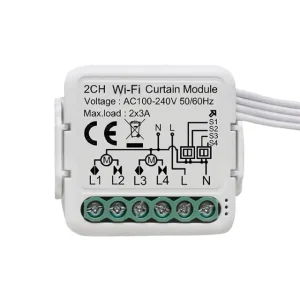
China Wifi Rf Curtain Switch With Remote Supplier, Factories
-
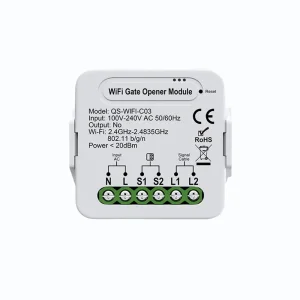
Wholesale Smart Mini WIFI Garage Door Switch Manufacturers, Factory
-
-
-
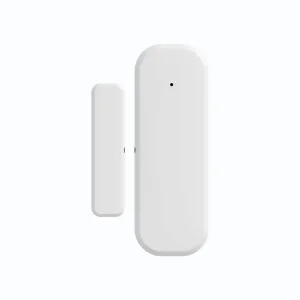
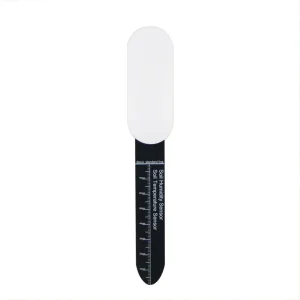
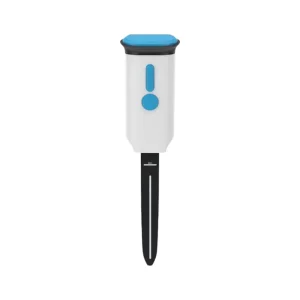
Wholesale Wifi Smart Door Window Sensor Manufacturer, Supplier
-
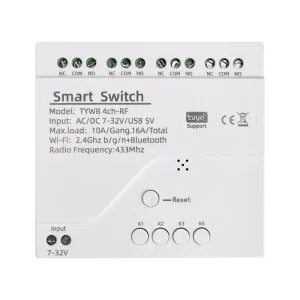
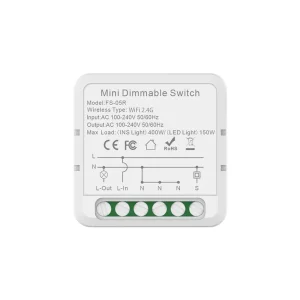
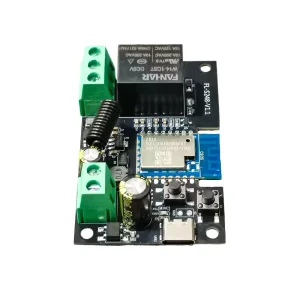
China 4CH WIFI Relay Smart Switch Module with RF433 Manufacturers, Manufacturer
-
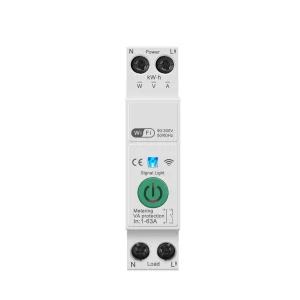
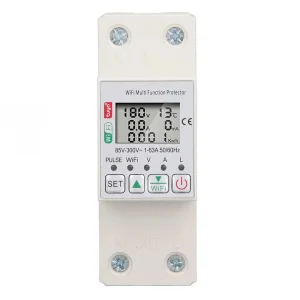
Custom Smart Circuit Breaker With Metering Protected Suppliers, Factories
-
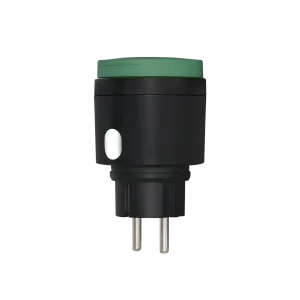
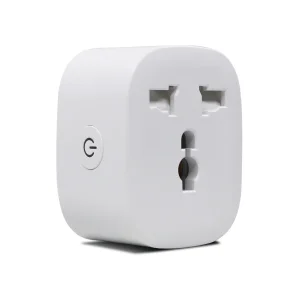
OEM EU Wifi Outdoor Smart Waterproof Socket Manufacturers, Factories
Mission-Critical Reliability: Engineering the Next-Gen Smart SOS Button
A rigorous examination of protocol latency, RF efficiency, hardware failsafes, and firmware robustness in professional PERS and IoT emergency calling systems.
Deterministic Sub-Second Triggering
Traditional consumer switches allow slight packet drops; emergency buttons demand absolute determinism. We implement hardware interrupt debounce circuits combined with high-priority CSMA/CA RF channel management. Whether routing via Zigbee 3.0 mesh or direct Wi-Fi/Cellular uplink, latency from physical actuation to local gateway acknowledgement is held strictly under 180 milliseconds.
Multi-Tier Protocol Redundancy
Our OEM architectures support hybrid RF433/868/915 MHz long-range fallback alongside standard Zigbee 3.0 and BLE mesh. When paired with cellular-connected central hub stations, the node ensures packets breach high-attenuation concrete walls and industrial obstacles, eliminating dead zones in nursing facilities and expansive multi-story villas.
Deep-Sleep Power Optimization
By engineering custom sleep registers on ultra-low-power silicon (Nordic nRF / Silicon Labs / ESP32-C2 ultra-low-current modes), our SOS buttons consume less than 1.2μA in standby. Powered by standard CR2032 or CR2450 coin cells, devices deliver 24-36 months of field operation inclusive of daily automated heartbeat self-diagnostics.
Localization Support, Regulatory Compliance & Life-Safety Audits
B2B healthcare distributors and municipal emergency platforms require rigorous international regulatory certifications before mass deployment.
North American Telecare
Complete compliance with FCC Part 15B/15C emissions, ETL/UL 1637 standard for Home Health Care and Emergency Signaling, alongside California Proposition 65 toxic chemical restrictions.
- FCC ID pre-cleared RF configurations
- UL 94-V0 flame-retardant enclosures
- RoHS & REACH chemical safety
European Union & UKCA
Full conformance with the Radio Equipment Directive (RED 2014/53/EU), EN 300 220 / EN 300 328 standards, and the UK PSTI Act 2024 ensuring baseline cybersecurity against network tampering.
- CE & UKCA Declarations of Conformity
- EN 50134 European Social Alarm compliance
- WEEE recycling traceability
Data Security & GDPR
Zero telemetry leaking. For enterprise platforms requiring closed private clouds, our firmware strips foreign third-party analytics and supports end-to-end TLS 1.3 / AES-128 encryption directly to client servers.
- HIPAA-aligned encrypted payloads
- GDPR compliant device provisioning
- Client-owned cryptographic key storage
Localized Telecare Protocols
Direct compatibility with international protocol standards such as SCAIP (Social Care Alarm Internet Protocol), BS 8521, and modern RESTful webhook triggers for regional emergency dispatch centers.
- SCAIP IP alarm protocol readiness
- Automated SIP voice-trunk triggers
- Local MQTT bridge to Home Assistant
China Factory Supply Chain: Vertical Precision & Scalability
Shenzhen Corunsmart Co., Ltd. operates a high-throughput, ISO 9001:2015 and BSCI-certified production infrastructure optimized for medical, hospitality, and commercial OEM projects.
Class 100 Purification Workshop
Our 1,400 m² Class 100 cleanroom assembly line in Bao'an, Shenzhen prevents micro-particulate contamination on PCB traces, mechanical tactile dome contacts, and optical seals. This controlled environment ensures consistent switch click-feel across hundreds of thousands of cycles and preserves critical waterproof gaskets.
End-to-End Automated Testing
Every SOS unit undergoes multi-stage functional and electrical validation: 100% automated optical inspection (AOI), RF power calibration using specialized shielded chambers, switch lifecycle pneumatic testing, and precision ultrasonic welding seal leak checks before final packaging.
High-Capacity Component Sourcing
With monthly factory throughput reaching 400,000 smart units and strategic procurement agreements with leading semiconductor vendors, we shield enterprise clients from component shortages, ensuring uninterrupted batch deliveries and aggressive BOM cost containment.
Hardware Architecture & Protocol Selection Matrix
Compare baseline technical specifications across standard communication protocols for enterprise emergency call hardware.
| Protocol Standard | Typical Indoor Range | Battery Life (CR2032) | Network Topology | Primary Commercial Use-Case |
|---|---|---|---|---|
| Zigbee 3.0 (Corunsmart Standard) | 30 – 50 meters (extendable via mesh) | 2.5 to 3.5 Years | Self-healing Mesh | Nursing homes, residential elderly telecare, smart hospitals |
| Wi-Fi 2.4 GHz (Tuya / ESP32) | 20 – 40 meters (router dependent) | 1.0 to 1.5 Years | Star (Direct to AP) | Standalone home emergency buttons, direct-to-app notifications |
| Matter-over-Thread | 25 – 45 meters | 2.0 to 3.0 Years | Low-power IP Mesh | Next-gen cross-platform smart home integration (Apple/Google/Amazon) |
| Sub-1GHz RF (433 / 868 MHz) | 100 – 300 meters (open field) | 3.0 to 5.0 Years | Point-to-Multipoint Hub | Industrial plants, hotels, remote worker monitoring |
| Cellular NB-IoT / LTE-M | Nationwide cellular coverage | 1.5 to 2.5 Years (timed check-in) | Cellular Base Station | Outdoor solitary worker safety, roaming mobile PERS pendants |
High-Impact Localized Application Scenarios
How global system integrators and service providers deploy our OEM emergency call hardware across varied institutional and residential settings.
Assisted Living & Aged Care
Wall-mounted next to beds or worn as waterproof wristbands and lanyards. One-touch press instantly alerts on-duty nursing staff while triggering automated lighting pathways and unlocking smart doors for paramedics.
Hospitality & Panic Alarms
Discreetly mounted under hotel reception desks, concierge counters, or inside luxury guest bathrooms. Enables swift, silent calls to security teams during emergency incidents without alerting perpetrators.
Lone Worker & Industrial Safety
Ruggedized versions utilized across automated warehousing, chemical storage facilities, and manufacturing shop floors. Integrated pull-cord mechanisms and positive feedback haptic vibration provide tactile confirmation in noisy environments.
Smart Restrooms & Public Infra
IP67 water-sealed pull-cord or push-pad buttons installed in accessible municipal bathrooms and corporate facilities, interfacing with central building management systems (BMS) over Modbus or MQTT gateways.
Emerging Industry Trends in Emergency Call Tech
Key architectural shifts shaping global procurement tenders and technological advancements in the smart emergency button industry.
Edge AI & Fall Detection Synergy
Modern telecare is shifting from purely manual triggers to hybrid systems. By incorporating millimetre-wave (mmWave) radar and onboard low-power accelerometers, OEM devices can pair physical button presses with autonomous fall confirmation, minimizing devastating false-negative scenarios.
Universal Cross-Brand Interoperability
As Matter 1.3+ matures, life-safety sensors and action triggers will communicate natively across disparate consumer ecosystems. Our hardware roadmaps ensure emergency button hardware bridges seamlessly into Apple Home, Amazon Alexa, SmartThings, and Google Home without specialized bridges.
Zero-Trust Firmware Verification
Global telecommunication directives require secure bootloaders, signed over-the-air (OTA) cryptographic firmware updates, and physical anti-tamper switches to prevent hardware cloning, man-in-the-middle exploits, and unauthorized firmware flashes in institutional networks.
Frequently Asked OEM/ODM Sourcing Inquiries
Everything procurement directors and hardware engineers need to know about partnering with Shenzhen Corunsmart Co., Ltd.
What is the typical Minimum Order Quantity (MOQ) for custom OEM orders?
For standard branded products (silk-screen logo and customized retail packaging), our baseline MOQ starts at 500 to 1,000 units. For custom tooling, bespoke enclosure molds, or dedicated PCB firmware builds, MOQs typically begin at 3,000 to 5,000 units.
Can you flash private firmware, custom UUIDs, and proprietary MQTT endpoints?
Yes. Our engineering facility operates dedicated automated flashing fixtures in our cleanroom. We support custom MAC address assignment, custom Zigbee clusters, private AES encryption keys, and direct MQTT broker configurations for Home Assistant or AWS IoT Core.
How does your factory prevent false button triggers during shipment and use?
We implement a dual-action trigger logic: devices require either a sustained press (e.g., 1.5 seconds) or a rapid double-click depending on your software specification. Furthermore, each unit ships with an insulated battery pull-tab and an indented ergonomic bezel.
What testing procedures ensure waterproof ratings for bathroom installations?
Every IP67-rated emergency unit undergoes precision air-pressure decay testing using automated leak detectors after ultrasonic enclosure welding. We also perform batch immersion testing under 1 meter of water for 30 minutes in accordance with IEC 60529 standards.
Integrated Smart Automation, Breakers & Sensors Portfolio
Explore additional high-performance building controllers, wireless metering switches, and security sensors manufactured in our Shenzhen cleanroom.