
High-Performance Smart Switch & Automation Hardware
Explore our core volume-produced IoT switching modules, kinetic controllers, DIN-rail breakers, and multi-protocol hub gateways built for global OEM brand deployments.
-
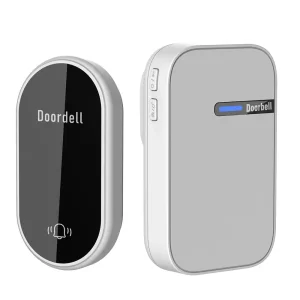
China Wireless Self Powered Doorbell Supplier, Factory
-
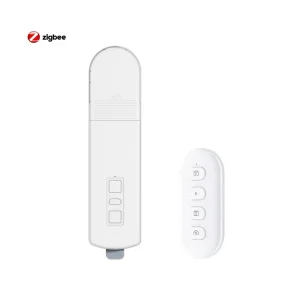
Wholesale Zigbee Smart Blinds Motor Suppliers, Factory
-
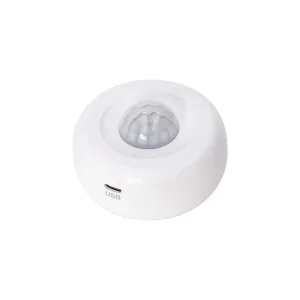
OEM Wifi PIR Smart Motion Sensor Suppliers, Factories
-
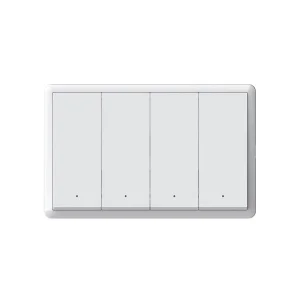
Custom US Matter WIFI Manual Smart Wall Switch Manufacturers, Factory
-
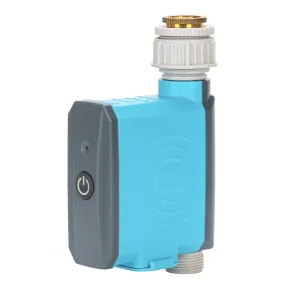
ODM Smart Bluetooth Irrigation System For Home Garden Manufacturer, Suppliers
-
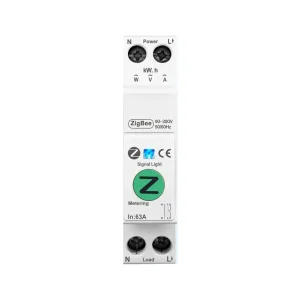
Wholesale 1P 63A Zigbee Smart Circuit Breaker Manufacturer, Factories
-
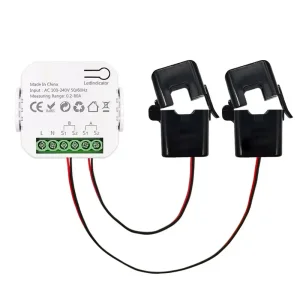
Custom Bidirectional Smart Current Transformer Manufacturers, Manufacturer
-
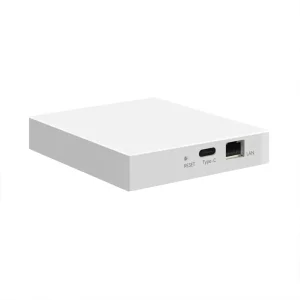
China Smart Matter Zigbee Wired Gateway Supplier, Factories
Industrial ESP8266 Smart Switching: Technical Whitepaper
A rigorous engineering analysis of Espressif SoC hardware architecture, solid-state circuit design, thermal efficiency, and open-source firmware flexibility for high-volume smart home deployments.
Silicon-Level Processing
Powered by the 32-bit Tensilica L106 RISC processor clocked up to 160 MHz. Features an ultra-low power 16-bit execution mode alongside an integrated IEEE 802.11 b/g/n Wi-Fi baseband with on-chip balun, power amplifier, low-noise amplifier (LNA), and antenna switch for superior RF robustness under congested 2.4 GHz environments.
Firmware Independence
Unlike proprietary microcontrollers with vendor lock-in, our OEM manufacturing facility supports dual-boot flash partitions. We flash factory Tuya Smart / Smart Life firmware, Tasmota, ESPHome, or custom enterprise MQTT code directly during the SMT automated programming stage, preserving GPIO pinout access for developers.
Isolation & Inrush Protection
Every switch PCB features optical coupler separation or creepage distances exceeding 3.5mm between low-voltage DC logic and 110V/240V AC mains. Integrated TVS diodes, varistors (MOV 14D471K), and thermal fuses protect downstream silicon from 2.5kV to 4kV electrical surges common in commercial installations.
Engineering Evolution: ESP8266, ESP32-C2, and ESP32-C3 Selection Strategy
While the classic ESP8266 remains the most cost-effective and globally validated platform for Wi-Fi relays, wall switches, and plug modules, our Shenzhen manufacturing lines seamlessly accommodate the newer RISC-V based ESP32-C2 and ESP32-C3 modules. This enables hardware parity for B2B brands migrating toward Matter-over-Wi-Fi and Bluetooth Low Energy (BLE) fast pairing without requiring total mechanical re-tooling.
| Specification Parameter | ESP8266 Classic Series | ESP32-C3 RISC-V Series | Industrial Advantage |
|---|---|---|---|
| Core Processor Architecture | Tensilica Xtensa 32-bit L106 (80/160 MHz) | 32-bit RISC-V Single-Core (160 MHz) | Ultra-fast RTOS scheduling, deterministic interrupt handling |
| Wireless Connectivity | Wi-Fi 802.11 b/g/n (2.4 GHz) | Wi-Fi 802.11 b/g/n + BLE 5.0 (Mesh) | BLE assisted one-touch pairing; Zero network dead zones |
| Matter & Local Protocol Support | Via Gateway / Home Assistant Bridge | Native Matter-over-Wi-Fi Capable | Single SKU works natively across Apple Home, Alexa, & Google |
| Operating Temperature Tolerance | -40°C to +85°C / +105°C | -40°C to +105°C industrial rating | Stable switching performance in unconditioned distribution panels |
| Typical OEM Bill of Materials (BOM) | Ultra-Optimized (Lowest Unit Cost) | Mid-Tier Enterprise Grade | Maximum profit margins for volume retail and tender procurement |
Why Tier-1 Global Brands Source From Our Shenzhen Factory
Combining world-class electronics supply chain density in Bao'an with automated high-speed SMT cleanrooms, precision injection tooling, and rigorous lifecycle testing protocols.
Class 100 Cleanroom SMT
Our 1,400 m² purification workshop utilizes Yamaha and Panasonic surface mount lines capable of placing 0201 passives, QFN, and multi-pin ESP modules with 15-micron precision under continuous static-free monitoring.
BOM Optimization & Yield
Direct volume wafer procurement from certified foundry partners eliminates secondary middleman markups, yielding 18% to 32% production cost savings for our global OEM and private-label partners.
100% Full-Load Burn-In
Every single manufactured smart switch and circuit breaker undergoes 4 hours of thermal cycling and continuous relay switching at rated maximum resistive and inductive loads (up to 63A for breakers).
Global Compliance Lab
On-site pre-compliance testing facilities verify conducted and radiated emissions (FCC Part 15B/C, CE RED EN 301 489), dielectric withstand (Hi-Pot up to 3750V), and RoHS/WEEE material safety standards.
Advanced Solid-State Relay & Power Supply Engineering
Solving the industry's toughest challenges: flicker-free No-Neutral operation, massive capacitive inrush handling, and high-precision energy telemetry.
Zero-Cross Switching Technology
Switching inductive loads like LED drivers, ventilation fans, and pool pumps produces destructive high-frequency voltage spikes. Our micro-controllers employ zero-cross detection algorithms that trigger relay contacts at the precise AC zero crossing point, extending mechanical contact life past 100,000 continuous cycles.
Patented Single-Live Line Power Harvesting
Overcoming the "neutral wire absence" in legacy European and American buildings, our patented micro-power harvesting SMPS draws standby power below 0.15W without leaking enough current to induce flickering, ghosting, or strobing in sensitive low-wattage dimmable LED arrays.
Integrated Energy Telemetry
Equipped with specialized high-accuracy metering ICs (BL0937 / HLW8032), our switches capture real-time RMS voltage, current, active power, and cumulative kWh energy consumption. Data packets are streamed over WebSockets or MQTT to customer cloud dashboards with <1% measurement deviation.
Engineered for Regional Backbox Standards & Grid Formats
One factory partner providing multi-market compliance across diverse electrical architectures, wall dimensions, and load characteristics.
North American Format (US 120 Standard)
Tailored for standard single-gang and multi-gang junction boxes (dimensions ~105mm x 45mm x 40mm). Designed with fire-retardant UL 94 V-0 polymers, support for 120V/277V 60Hz grids, screw terminal and pigtail wire options, and complete compatibility with Decora-style faceplates.
European & UK Format (86 Type & Round EU)
Engineered for 60mm European circular wall junction boxes (DIN 49073) and British Standard 86x86mm square pattress boxes. Compact housing depth (≤24mm) leaves ample installation clearance inside existing conduits without requiring plasterboard demolition.
Latin America & Brazil (4x2 Format)
Specifically engineered for the NBR 14136 standard and Brazilian 4x2 flush-mount enclosures. Accommodates voltage fluctuations common across regional 127V and 220V dual-grid distributions with surge suppression built into the base PCB.
Global B2B Sourcing: Procurement & Customization Criteria
A transparent blueprint for distributors, IoT startups, and lighting manufacturers evaluating OEM manufacturing partners.
Private Labeling & Industrial Design
We provide comprehensive white-labeling solutions including laser-etched custom logos, bespoke front-panel touch glass finishes (frosted, matte, or gloss), custom silkscreened terminal schematics, and custom retail packaging with multi-language user manuals.
Tailored Firmware & Cloud Integration
Choose between turn-key Tuya cloud connectivity (with branded OEM iOS/Android apps), direct flash provisioning of open-source firmware (Tasmota / ESPHome), or custom proprietary firmware loaded via our automated cleanroom flashing jig with secure MAC-address tracking.
Audit-Ready International Certifications
Avoid customs seizure and liability risks. Our manufacturing operations maintain BSCI and ISO 9001:2015 factory certifications. Finished models provide direct turn-key documentation for CE, RoHS, UKCA, FCC ID, and ETL/UL certifications tailored to your target markets.
Frequently Asked Engineering & Sourcing Questions
Comprehensive answers regarding lead times, firmware stability, RF performance, and minimum order requirements.
Why choose the ESP8266 platform over Zigbee or Z-Wave for volume smart switches?
Can you pre-flash custom firmware (Tasmota, ESPHome, or Private MQTT) at your factory?
How does your factory solve electrical interference and relay welding caused by capacitive inrush current?
What is the minimum order quantity (MOQ) and production turnaround for OEM private label orders?
How does your factory ensure compliance with CE RED, FCC, and UL safety standards?
Integrated IoT Sensors, Wall Dimmers & Smart Controllers
Complete your brand's smart ecosystem with our factory-tested range of energy-monitoring sockets, environmental sensors, access controls, and compact retrofitted relays.
-
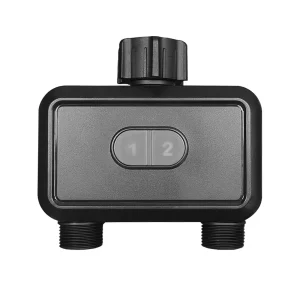
OEM WiFi Bluetooth Bidirectional Irrigation Sprinkler Timers Controller Supplier, Factories
-
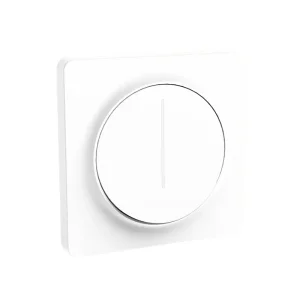
China EU WIFI Smart Touch Dimmer Switch Manufacturer, Suppliers
-
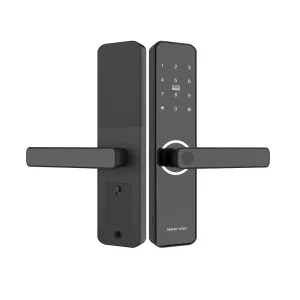
China Smart WIFI Fingerprint Password Door Lock Manufacturer, Supplier
-
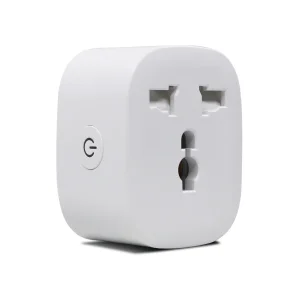
Wholesale Universal WIFI Smart Plug With Energy Monitor Manufacturer, Supplier
-
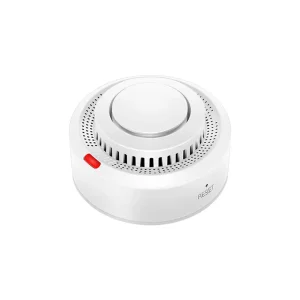
China Smart WiFi Smoke Detector Sensor Supplier, Factories
-
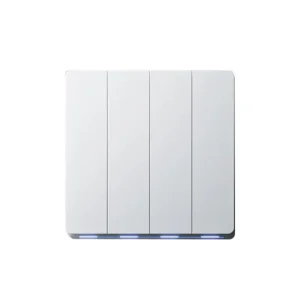
OEM EU Smart WIFI Button Light Switch Factories, Factory
-
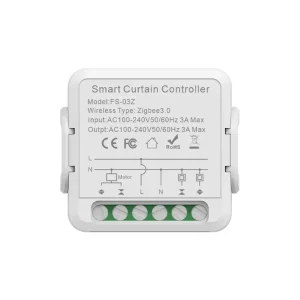
China Smart Mini Zigbee Curtain Switch Manufacturers, Suppliers
-
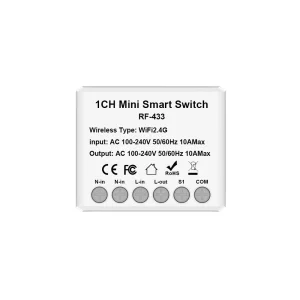
Wholesale Smart Mini Wifi Switch with RF433 Supplier, Suppliers
Accelerate Your Smart Home Hardware Development
Partner with an established Shenzhen OEM/ODM manufacturer with 10+ years of high-volume electronics manufacturing experience. Contact our engineering team today for technical consultation, sample evaluations, and custom firmware testing.