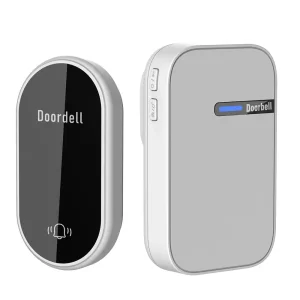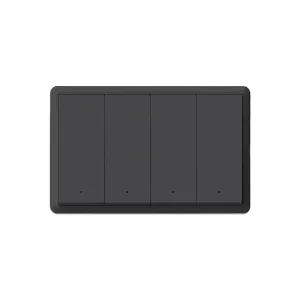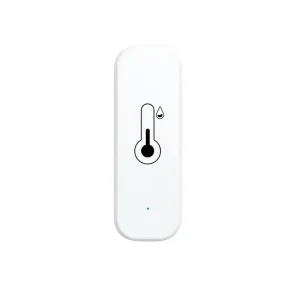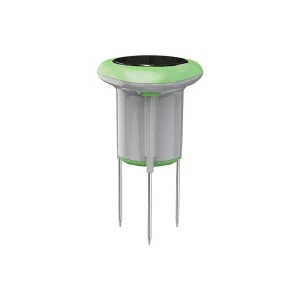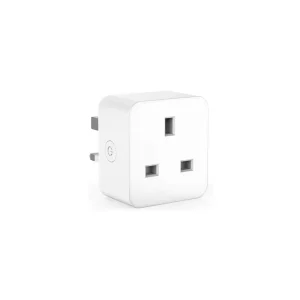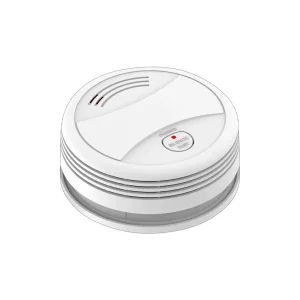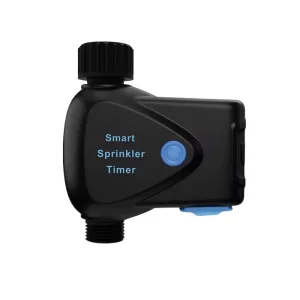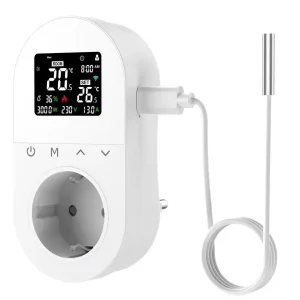
Featured Smart Gateway & Sub-Device Ecosystem (Batch 1)
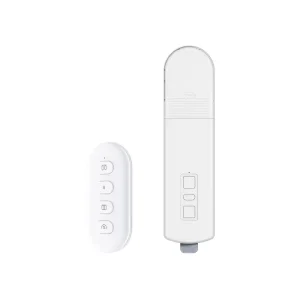
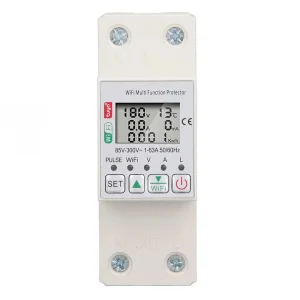
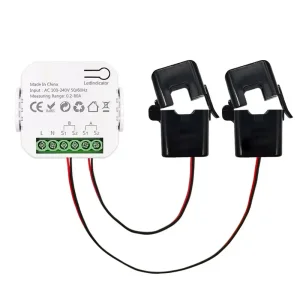
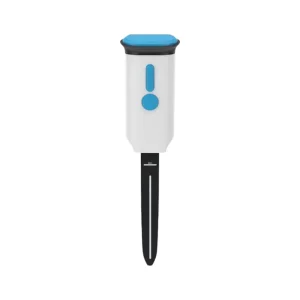
Enterprise-grade Zigbee 3.0 and dual-connectivity end nodes engineered for synchronous operation with central hub coordinators, DIN-rail energy arrays, and smart panels.
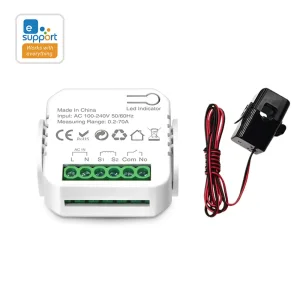
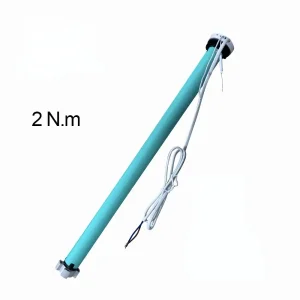
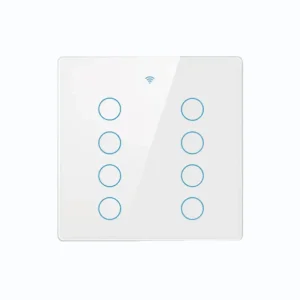
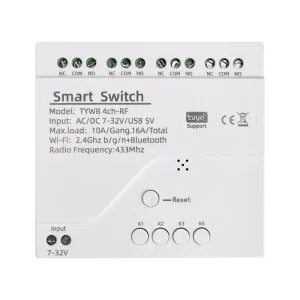
Global Commercial Landscape of Zigbee Smart Gateway Hubs
A rigorous examination of 2.4 GHz mesh topologies, local edge execution engines, latency mitigation, and the evolving role of gateways in the Matter era.
In the contemporary landscape of Building Management Systems (BMS), Multi-Dwelling Units (MDUs), and smart consumer environments, the central gateway hub serves as the deterministic anchor. Operating under IEEE 802.15.4 physical and MAC layer protocols, Zigbee 3.0 continues to dominate mission-critical sensor-to-cloud infrastructure. Unlike pure point-to-point Wi-Fi implementations that introduce severe spectrum pollution, excessive power drain, and high AP connection table overhead, a dedicated Zigbee gateway establishes a self-healing, low-power mesh network capable of maintaining local deterministic operation even during widespread WAN backhaul outages.
Edge Processing vs. Cloud Dependency in Enterprise Deployments
Historically, low-cost consumer smart hubs served solely as transparent packet translators, encapsulating 802.15.4 payloads directly into MQTT or HTTP post requests routed to cloud servers. While functional for light consumer loads, this paradigm fails critically in commercial hospitality, elder care, and industrial metering installations. Packet latency can fluctuate from 250ms to upwards of 2,400ms depending on international routing hops. In contrast, Shenzhen Corunsmart’s enterprise Zigbee Gateway Hubs execute logic engines directly on edge memory partitions. Whether processing high-frequency power spikes via Current Transformers or triggering instant water shutoff protocols via motor valves, local edge computing preserves operational continuity, cryptographic data isolation, and total system reliability.
RF Frontend Optimization & PA/LNA
Equipped with integrated Power Amplifiers (PA) and Low-Noise Amplifiers (LNA), delivering up to +20 dBm transmit power and -102 dBm receiver sensitivity for concrete penetration across multi-story commercial facilities.
Multi-Protocol Coexistence
Advanced frequency arbitration mitigating interference between 2.4 GHz 802.11 b/g/n Wi-Fi channels and Zigbee channel plans (15, 20, 25), preventing signal saturation and packet collision in high-density device nodes.
Enterprise Hardware Security
Secure Boot with Flash Encryption, AES-128 cryptographic network keys, and TLS 1.3 encrypted cloud tunneling to guarantee zero threat vectors against rogue firmware flashing or network snooping.
Why Sourcing from Shenzhen Corunsmart Redefines Supply Chain Velocity
Direct insight into our 1,400 m² Class 100 purification facility in Bao'an, Shenzhen—delivering lean manufacturing, custom PCB layout, and high-yield automated calibration.
The manufacturing velocity of IoT hardware is determined not merely by line speed, but by spatial proximity to the component supply chain. Located in Xixiang, Bao'an District, Shenzhen—the epicenter of global microelectronics—Shenzhen Corunsmart Co., Ltd. (established in 2014) operates within an immediate 15-minute radius of tier-one semiconductor suppliers, passive component distribution hubs, plastic injection tooling houses, and certified EMC testing laboratories. This hyper-dense industrial cluster translates to unprecedented lead-time reduction for custom ODM tooling, prototype revisions, and rapid production ramp-ups.
Our production infrastructure is anchored in a specialized 1,400 m² Class 100 dust-free cleanroom, housing automated high-speed SMT lines, automated optical inspection (AOI) stations, and RF frequency calibration instruments (including LitePoint and Rohde & Schwarz communication analyzers). Every smart circuit breaker, switch panel, and Zigbee gateway undergoes 100% full-load burn-in aging and multi-point RF spectrum verification, maintaining a field defect rate strictly below 0.12%.
Localized Commercial & Industrial Deployment Matrices
Engineered to adapt across varying regional electrical topologies (EU 86x86, US 120x70, BR formats), backhaul connectivity interfaces, and utility integration frameworks.
| Deployment Domain | Core Gateway Spec | Sub-Device Mesh Nodes | Network Topology | Ecosystem Compatibility |
|---|---|---|---|---|
| Commercial Hospitality (GRMS) | PoE Ethernet / Zigbee 3.0 Gateway with BLE Beaconing | In-wall Touch Dimmer, Motorized Blinds, Door Sensors | Star-to-Mesh Hybrid (Local Hotel Server via MQTT) | Matter / Tuya / HA |
| Multi-Tenant Housing (MDU) | Dual-Band Wi-Fi 6 + Zigbee Edge Hub (ESP32-S3) | DIN-Rail Breakers, Water Leak Sensors, Smart Sockets | Hierarchical Cluster-Tree Mesh | Tuya-Matter / SmartLife |
| Distributed Energy & Solar PV | High-Reliability DIN-Rail Zigbee/RS485 Gateway | Bidirectional CT Meters, 63A Power Meter Switches | Deterministic Low-Latency Mesh with Modbus RS485 | MQTT / Home Assistant / Tasmota |
| Smart Agriculture & Facilities | Outdoor IP66 Cellular 4G/LTE + Zigbee Hub | Solar Soil Sensors, Sprinkler Timers, Temp/Hum Probes | Extended Star-Mesh with Long-Range PA/LNA | Private Cloud / API Rest |
Custom Firmware Orchestration: Tasmota, Matter Bridge & ESP32 Native
A primary bottleneck for global brand importers is ecosystem vendor lock-in. Corunsmart addresses this vulnerability through comprehensive architectural modularity. We deliver gateway hubs programmed with standard Tuya or Tuya-Matter firmware for instant consumer channel onboarding, while offering enterprise integrators unbranded, pre-flashed Tasmota, ESPHome, or custom open-source Zigbee2MQTT / ZHA firmware running on ESP32, ESP32-C2, and ESP32-C3 modules. This enables corporate clients to direct telemetry packets solely to internal AWS/Azure infrastructure with zero recurring third-party cloud subscription fees.
Global Sourcing Standards & Regulatory Compliance
A systematic framework for procurement officers assessing factory reliability, environmental mandates, fire-safety housing ratings, and international certifications.
EMC & Spectrum Compliance
Full CE-RED (Europe), FCC Part 15B/15C (USA), and UKCA compliance ensuring radio frequency spectrum adherence, spurious emission containment, and ESD protection up to 8kV contact / 15kV air discharge.
High-Temp V0 Flame Retardancy
Polycarbonate (PC) and ABS housings strictly certified to UL94-V0 flammability standards, tested through glow-wire flammability index (GWFI) up to 850°C for zero electrical ignition risk.
Supply Chain Traceability
ISO 9001:2015 and BSCI audited manufacturing operations providing component batch traceability, raw materials inspection (IQC), in-process quality control (IPQC), and pre-shipment sampling (AQL 0.65/1.0).
Environmental & Safety Mandates
Full adherence to RoHS 2.0 (Directive 2011/65/EU) and REACH (EC 1907/2006) toxic chemical restrictions, ensuring friction-free customs clearance into the European Union, United Kingdom, and North American ports.
Questions Procurement Directors & Systems Engineers Ask
Unfiltered technical answers regarding coordinator capacities, local routing, white-label packaging, firmware customization, and sample validation.
What is the absolute maximum end-device capacity per gateway coordinator?
Our Silicon Labs EFR32MG21-based Zigbee 3.0 gateways comfortably handle up to 128 active sub-devices in typical commercial mesh layouts (with a combination of 32 direct child nodes and up to 96 routed nodes through mains-powered switches and repeaters). For ultra-dense MDU deployments, memory-optimized firmware builds support up to 200 nodes per coordinator without RAM exhaustion or stack buffer overflow.
How does the gateway preserve local automations during Internet outages?
When configured via Tuya edge-capable profiles or private Home Assistant / MQTT firmware, all cross-device automations (e.g., PIR motion trigger initiating a relay close, or current transformer detecting overload and tripping a breaker) execute within local RAM via Zigbee binding and local scene engines. The WAN backhaul is only consulted for mobile push notifications and cloud data logging.
Can you supply unbranded OEM hardware with custom firmware flashing?
Yes. Approximately 60% of our factory production represents private-label OEM/ODM orders. We support custom silkscreen branding, laser-etched compliance markings, bespoke retail packaging, custom MAC address range allocation, and pre-flashed customer-supplied bin files (or custom Tuya / Matter PID configurations) prior to final packaging and vacuum sealing.
What is the typical lead time for custom tooling vs. standard sample orders?
Standard testing samples of existing models ship within 3 to 5 business days. Pilot batch OEM runs (500 to 1,000 units with custom logo and packaging) average 15 to 20 days. Full custom industrial tooling for novel enclosures or custom PCB layout (ODM development) is executed within 35 to 45 calendar days, from 3D CAD sign-off to first shot T1 samples.
Complete Sub-Device & Gateway Portfolio (Batch 2)
Explore complementary smart sensor, environmental monitor, high-amperage switch, and motor control hardware manufactured in our Bao'an cleanroom facility.