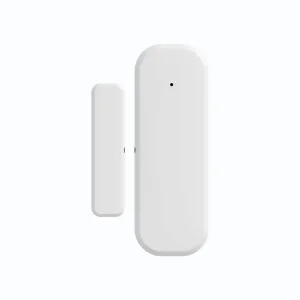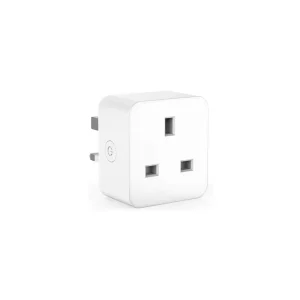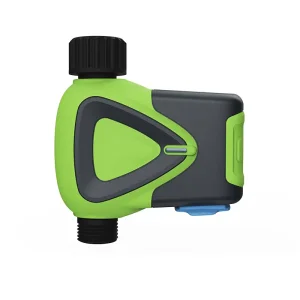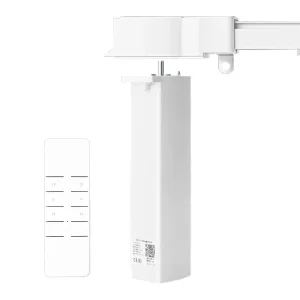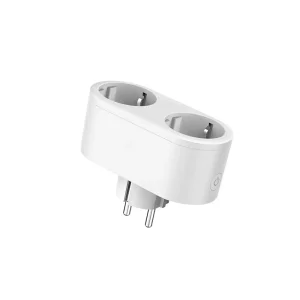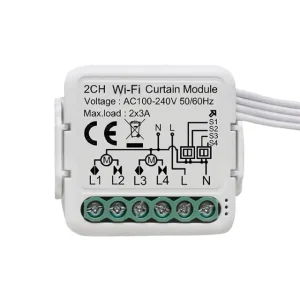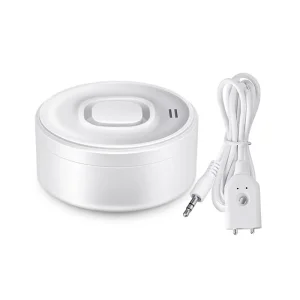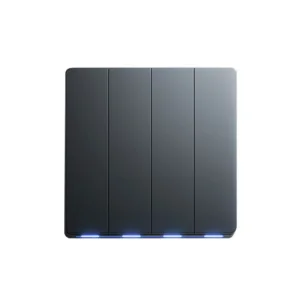
High-Performance Connected Ecosystem Products
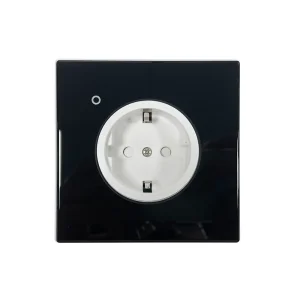
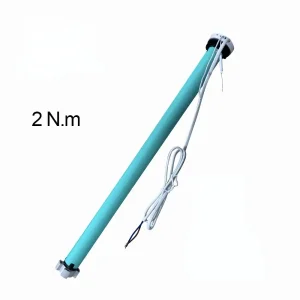
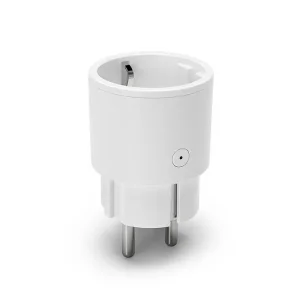
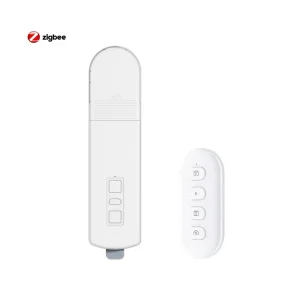
Integrate robust flood mitigation nodes with energy monitoring, DIN rail automation, and motorization units directly manufactured at our Shenzhen facilities.
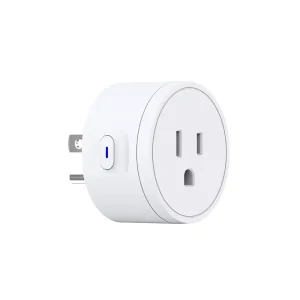
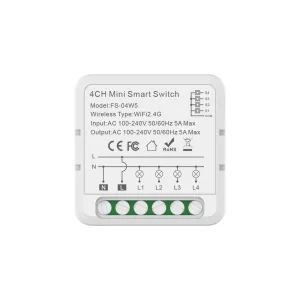
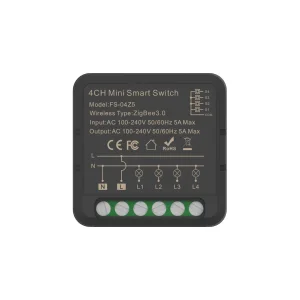
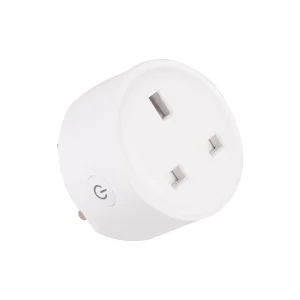
The Architecture of Smart Water Leakage Detection
A comprehensive examination of sensor conductivity, ultra-low power wireless protocols, and hardware resilience in next-generation prevention infrastructure.
1. Technological Trends: Transition from Passive Detection to Closed-Loop Automation
In smart facility and building management, water leak detection has transitioned from isolated, buzzer-based buzzers to unified, intelligence-driven ecosystems. Contemporary water leak smart sensors operate across multi-frequency connectivity tiers—principally Wi-Fi 2.4 GHz, Zigbee 3.0, Matter-over-Thread, and Sub-GHz LoRaWAN. The historical drawback of battery-draining probe circuits has been resolved through high-impedance CMOS comparator architectures that remain in quiescent states consuming less than 2.5 µA until fluid ingress establishes electrolytic bridge conductivity.
The industrial landscape now dictates instantaneous closed-loop actuation. When water contacts dual gold-plated or nickel-plated sensory probes, the impedance drop triggers an immediate local interrupt vector. Beyond pushing notifications via Tuya, MQTT brokers, or native Matter fabrics, the sensor commands motorized ball valves or smart breakers to cut fluid lines and isolate electrical sub-panels within 800 milliseconds, completely mitigating the risk of secondary structural or electrical hazards.
2. Global Procurement Dynamics: B2B Sourcing Imperatives
Global distributors, insurance underwriters, and MEP (Mechanical, Electrical, and Plumbing) contractors demand hardware backed by strict validation frameworks. The procurement landscape reflects four decisive criteria:
- Underwriter-Grade Reliability: Insurance providers increasingly mandate automated water shutoff valves coupled with certified water detection nodes to underwrite commercial and multi-family residential assets.
- Ecosystem Neutrality: Procurement teams avoid proprietary single-app locks. Hardware must offer configurable firmware—supporting Tuya Smart Life out of the box, with options for Matter bridging, Tasmota, or direct Home Assistant MQTT telemetry via ESP32-C3 platforms.
- Ingress Protection & Environmental Ruggedness: High-humidity basements, HVAC condensate trays, and municipal utility vaults require IP66 to IP67 sealed housings constructed with UL94 V-0 flame-retardant thermoplastics.
- Regulatory Conformance: Fully documented CE, UKCA, FCC, RoHS, and ETL declarations to eliminate customs bottlenecks and liability exposures in European and North American retail or commercial channels.
China Factory 4.0: Supply Chain Resilience & Precision
Shenzhen Corunsmart leverages integrated cluster advantages in Bao'an to engineer structural cost efficiencies without sacrificing component fidelity.
Class 100 Controlled Atmosphere
Production is centralized within our 1,400 m² cleanroom environment. Surface mount technology (SMT) lines maintain controlled electrostatic discharge (ESD) and airborne particle controls for ultra-sensitive analog trace fabrication.
Full Automated Optical Inspection (AOI)
Every PCBA undergoes 100% in-line automated optical and X-ray inspection to detect micro-bridging, cold joints, and substrate micro-fractures prior to ultrasonic housing hermetic sealing.
Firmware Tailoring & Flashing
We deploy proprietary firmware variants on ESP32, ESP32-C2, and ESP32-C3 platforms. Our dedicated firmware engineers validate code across Tuya IoT, Tuya-Matter, and local open-source brokers like Tasmota or Home Assistant.
High-Risk Commercial & Enterprise Scenarios
Engineered to mitigate catastrophic losses across varied deployment architectures where early moisture notification is business-critical.
Data Centers & Server Rooms
Deployed along raised floors, perimeter CRAC (Computer Room Air Conditioning) units, and liquid cooling distribution loops with low-latency MQTT reporting to DCIM platforms.
Hospitality & Multi-Tenant Units
Concealed probe installations behind dishwashers, under vanity sinks, and adjacent to water heaters linked to centralized PMS systems to avert multi-floor ingress claims.
Residential Real Estate Portfolios
Self-contained units operating over Wi-Fi or Zigbee providing individual tenant notifications via mobile applications while reporting critical telemetry to property management dashboards.
Cold Storage & HVAC Systems
Condensate overflow monitoring in refrigeration trays, chiller rooms, and ductwork traps capable of resisting rapid temperature cycles and continuous high humidity without degradation.
Engineering & Procurement Inquiries
Specific technical answers regarding power management, protocol selection, and OEM manufacturing customization.
Complementary Automation & Sensor Modules
Explore specialized peripheral hardware designed to work seamlessly with our smart water leak mitigation ecosystem.