
Which Smart Heater Switch Panel Is Best in 2026?
Table of Contents
- What a Smart Heater Switch Panel Is and How It Works
- Which Heater Types and Wiring Systems It Supports
- Safety Standards and Compatibility Features to Check
- How Smart Heater Switch Panels Differ in Control and Connectivity
- How to Choose the Best Smart Heater Switch Panel for Your Setup
- FAQS
- Conclusion
- Related Posts
Choosing the best Smart Heater Switch Panel in 2026 is not just a matter of finding the brightest screen. The right choice must match your heater’s voltage, wiring, and electrical load. It should also offer dependable controls, clear status indicators, and settings you can understand without opening the app. Picture a cold room, a heater humming, and a small panel showing whether the system is actually on. That detail matters.
The International Energy Agency’s Global Status Report for Buildings and Construction 2023 estimates that building operations account for about 30% of global final energy use and 26% of energy-related emissions. Those figures put heating controls in a larger efficiency conversation, but a smart panel alone cannot guarantee lower bills. Insulation, outdoor temperatures, usage habits, and compatible equipment all affect results. The IEA’s Executive Director, Fatih Birol, has described energy efficiency as “the first fuel.” It is a useful principle—not a promise of automatic savings.
This guide compares panels by compatibility, safety features, control options, installation needs, and everyday reliability. A polished touchscreen can look impressive. Yet poor load matching or confusing setup can outweigh attractive design. Check the manufacturer’s specifications and seek qualified help when wiring is unclear. No single model suits every home. Some details are easy to miss, and that deserves a second look. The goal is a practical shortlist, grounded in documented specifications rather than marketing claims, for choosing a Smart Heater Switch Panel that fits your system and your routines.
What a Smart Heater Switch Panel Is and How It Works
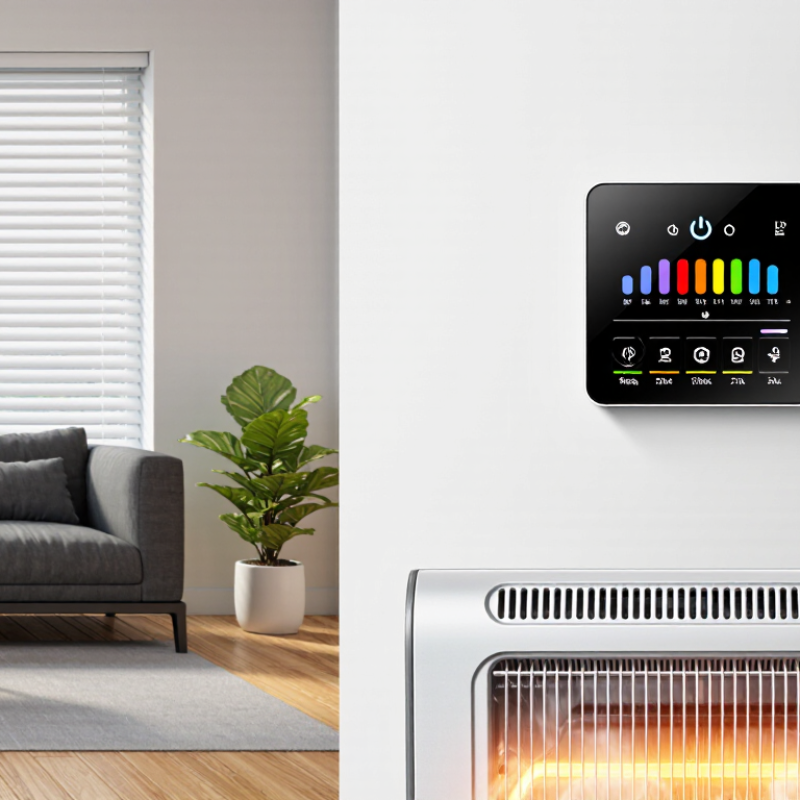
A smart heater switch panel is an electrically rated control that lets you turn a heater on or off, set schedules, and sometimes monitor power through an app or wall interface. Inside, a relay or electronic switch connects the heater to its power supply. A temperature sensor or separate thermostat may guide operation, but not every panel measures room temperature. Check the heater’s voltage, current, and load type against the panel’s specifications. A small mismatch can mean unreliable switching or overheating. The details matter.
Some panels use Wi-Fi; others communicate through a hub or local network. When a schedule says “on,” the panel switches power to the heater. That does not automatically make the heater more efficient. The International Energy Agency’s Buildings report says buildings used about 30% of global final energy in 2022, so controlling heating thoughtfully matters. ENERGY STAR reports average heating and cooling bill savings of about 8% for certified smart thermostats, but that figure is not a guarantee for switch panels. It reflects thermostat products and household conditions. A panel without temperature feedback may only follow a timer. Handy, but limited. Check whether it supports manual shutoff, safe restart after power loss, and clear status indicators. I would still verify the wiring with a qualified electrician; app control can make a simple mistake less visible.
Which Heater Types and Wiring Systems It Supports
Which Smart Heater Switch Panel Is Best in 2026?
Which Heater Types and Wiring Systems It Supports
A smart heater switch panel is only useful when it matches the heater and the wiring already in your home. Many models are designed for fixed electric heaters, such as baseboard units or wall-mounted convectors. They may not suit portable plug-in heaters, which have different connections and operating requirements. Check the heater’s nameplate for voltage and rated current before comparing panels. That matters.
Wiring compatibility varies, too. Some panels switch line-voltage circuits directly; others need a separate thermostat or control connection. A panel intended for a simple, single-circuit heater may not support a two-pole circuit or multiple heating zones. Look at the installation diagram and confirm the required wire count, circuit type, and maximum load. Not every setup.
Fuel-fired furnaces and boilers usually use control wiring rather than a high-power heater circuit. A switch panel made for electric baseboards may not operate them correctly. Some systems also rely on a dedicated thermostat, fan control, or safety interlock. These details are easy to overlook when shopping online. Check the label. If the existing wires are unclear, or the panel’s ratings do not match the heater, ask a qualified electrician to verify compatibility before installation. A photo can help, but it cannot confirm every circuit detail.
Which Smart Heater Switch Panel Is Best in 2026?
The best panel is one that matches the heater’s control system and is rated for its voltage and electrical load. Line-voltage electric heaters (commonly 120 or 240 V), 24 V thermostat systems, and millivolt systems are not interchangeable.
The chart shows representative conductor counts for common wiring arrangements—not a universal compatibility rating. Check the heater and panel wiring diagrams, and confirm whether a neutral wire or a dry-contact output is required before installation.
Safety Standards and Compatibility Features to Check
Which Smart Heater Switch Panel Is Best in 2026?
A safe smart heater panel must match the heater, not just the room’s decor. Check its voltage, amperage, pole configuration, and rated load against the heater’s nameplate. A 240-volt baseboard heater needs a control designed for that circuit; a standard lighting switch is not a substitute. Look for certification from a recognized testing laboratory and installation instructions that explicitly cover your heater type. The details matter.
NFPA’s Home Fires Involving Heating Equipment report found an annual average of 44,210 U.S. home heating-equipment fires from 2016 to 2020, causing 480 civilian deaths and $1.1 billion in direct property damage. These figures are a useful reminder: controls and wiring deserve careful attention. Check whether the panel requires a neutral wire, supports the heater’s voltage, and works with your existing wiring. Smart features such as scheduling and remote control are useful, but they cannot correct an overloaded circuit or incompatible control. If the wiring is unclear, pause and ask a qualified electrician. Even a tidy-looking installation can hide a mismatch.
Tips: Photograph the heater’s nameplate before shopping. Confirm the panel’s load rating and safety listing in its installation manual. Don’t assume every “smart” switch can control a heater. A little tedious, perhaps—but safer.
How Smart Heater Switch Panels Differ in Control and Connectivity
A smart heater switch panel is not just a row of buttons. Its value depends on how precisely it controls heat and whether it stays connected when the internet drops. The U.S. Energy Information Administration’s 2020 Residential Consumption Survey found that space heating accounted for 42% of household site energy use. Small control differences can matter.
Look for clear schedules, temperature limits, and room-by-room control where the heating system supports them. A hallway panel that only switches power may not regulate temperature safely or precisely. Connectivity matters, too. Wi-Fi can simplify setup, while Thread or other local networks may reduce reliance on cloud services. Matter support can improve compatibility, but check that the panel, hub, and heater all work together. That detail is easy to miss.
Control quality is more than an app. Test whether buttons remain usable with cold hands, and whether settings survive a brief power cut. The U.S. Department of Energy’s Energy Saver guidance says a 7–10°F setback for eight hours can reduce annual heating and cooling costs by up to 10%. That is thermostat guidance, not a guaranteed panel saving. A panel can help follow a schedule, but poor placement or confusing controls can undermine it. I would verify the wiring requirements before comparing remote features.
How to Choose the Best Smart Heater Switch Panel for Your Setup
Choosing a smart heater switch panel starts with the heater, not the app. Check the heater’s voltage, wattage, and control type against the panel’s specifications. A panel designed for a small fixed heater may not suit a larger unit. If the ratings or wiring are unclear, ask a qualified electrician before buying or installing anything.
Then consider how the room is used. In a bedroom, a clear schedule and easy manual override may matter more than voice control. In a chilly home office, temperature sensing can help keep the desk area comfortable. Check whether the sensor sits in the panel or needs a separate location; a drafty doorway can distort readings. Small details matter.
Look for dependable controls, readable status lights, and settings that remain understandable without opening an app. Confirm that the panel supports your heating system and the electrical requirements in your area. Safety certifications and installation guidance should be easy to verify. More features are not always better. I would compare the everyday controls before chasing advanced automation; it is easy to buy a clever panel that nobody wants to adjust. A little uncertainty is normal, but electrical compatibility should not be a guess.
FAQS
It switches a heater’s power on or off. Some panels also support schedules, app control, or power monitoring.
Not always. Some rely only on a timer, while others work with a sensor or separate thermostat. That difference matters.
Not necessarily. A schedule controls when power switches on, but it does not guarantee better efficiency or lower bills.
Compare the heater’s nameplate with the panel’s voltage, current, pole configuration, and load rating. A 240-volt baseboard heater needs a control rated for that circuit.
No. Use a control specifically rated for the heater and circuit. A neat-looking switch can still be incompatible.
Look for a recognized safety certification and instructions covering your heater type. Check whether the panel needs a neutral wire.
Manual shutoff, clear status lights, and safe restart after a power outage can help. App control is handy, but not essential.
If the wiring or circuit rating is unclear, pause and ask a qualified electrician. I’d verify the wiring, even when the app looks simple.
From 2016 to 2020, U.S. homes averaged 44,210 heating-equipment fires each year. The figures are sobering. Properly matched controls and wiring deserve attention.
Conclusion
Choosing the best Smart Heater Switch Panel in 2026 starts with understanding how it works: it connects a compatible heater to a control system that can switch heating on or off, adjust settings, or follow a schedule. The right panel depends on the heater type and the existing wiring, since not every model supports every electrical setup. Before choosing, check the panel’s rated load, installation requirements, temperature limits, and built-in safety features, as well as whether it is compatible with your heater and household controls.
Panels can differ in how they are operated, from simple local buttons to app-based controls, wireless connectivity, and automation options. Consider how you want to manage heating, whether remote access matters, and how reliable the connection needs to be. A good choice balances safe operation, verified compatibility, straightforward installation, and useful controls without adding features you do not need. When in doubt, have the wiring and heater requirements checked by a qualified professional.

Blog Tags: